
Many people believe that eating healthier requires completely changing their diet, but this isn’t true. Small, manageable adjustments can lead to better nutrition without the need for a full overhaul. The key is adopting simple habits that improve food choices gradually and sustainably.
By focusing on easy swaps and mindful eating, individuals can increase nutrient intake and reduce unhealthy foods without feeling deprived. Learning to read labels, choosing whole foods, and controlling portion sizes are practical steps that make a big difference over time.
This approach helps create a balanced diet that fits individual lifestyles and preferences, making healthy eating both achievable and maintainable. It’s not about perfection but consistent improvement in everyday meals.
Start with Small but Sustainable Changes
Improving nutrition often begins with manageable choices that fit into existing routines. Focusing on simple steps encourages balance and a steady shift towards healthier eating habits without overwhelming the individual.
Make Gradual Adjustments to Daily Meals
He or she should begin by altering one meal at a time rather than revamping the entire diet. For example, swapping white bread for wholegrain or adding a portion of vegetables to a usual dinner can create meaningful nutritional improvements.
Small swaps like reducing portion sizes of processed snacks also help. These adjustments are less intimidating and easier to maintain. Gradual changes mean less disruption and a higher chance of long-term success.
Focus on Adding Rather Than Restricting Foods
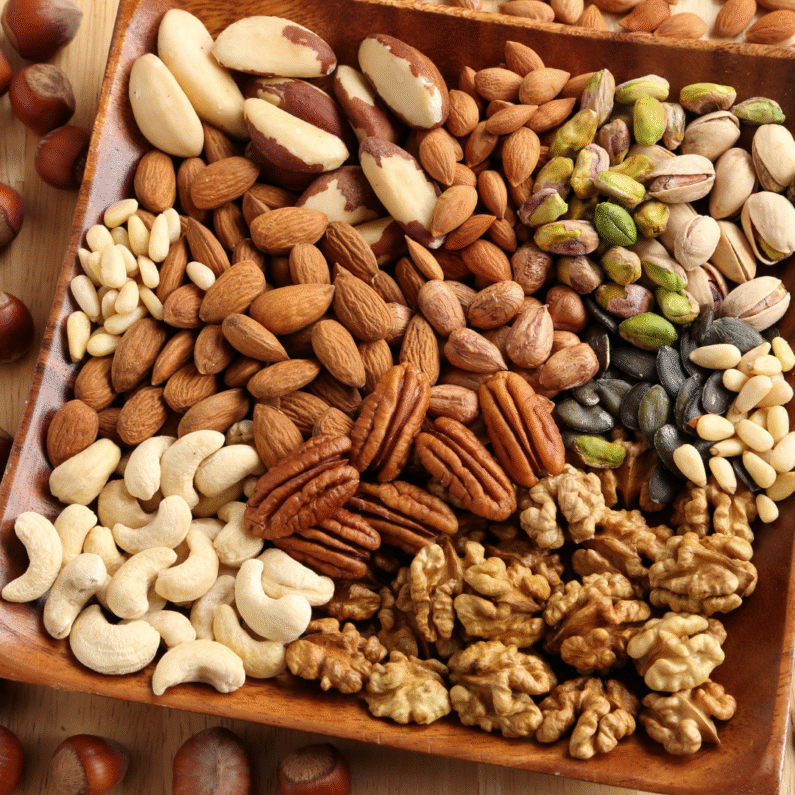
Emphasising the inclusion of nutrient-dense foods encourages a positive relationship with eating. Introducing more fruits, vegetables, nuts, or legumes provides essential fibres and vitamins without the feeling of deprivation.
They should prioritise foods that they enjoy and can realistically include in their daily intake. Rather than cutting out favourite items abruptly, adding healthier options lets the diet evolve naturally.
Recognise the Importance of Consistency
Consistency plays a vital role in sustaining a healthy diet. Regularly choosing small improvements builds habits that become automatic over time.
Maintaining these changes through routine helps balance nutritional intake without causing fatigue or frustration. This approach nurtures a healthy diet that fits long-term lifestyle, not just a short-term fix.
Incorporate More Whole and Plant-Based Foods
Choosing foods closer to their natural state improves nutrient intake and supports overall health. Increasing whole and plant-based options boosts fibre, vitamins, and minerals without needing extreme diet changes.
Prioritise Whole Foods over Ultra-Processed Choices
Whole foods such as whole grains, nuts, seeds, legumes, and fresh produce retain most of their natural nutrients. They generally have higher nutritional value, including fibre, antioxidants, and essential vitamins. Ultra-processed foods often contain added sugars, unhealthy fats, and preservatives that offer little nutritional benefit.
Replacing snacks like crisps or pastries with whole almonds or fruit can improve diet quality. Cooking meals from scratch using whole foods also helps control ingredients and nutrient intake. Gradually swapping processed items for whole alternatives makes the change sustainable.
Increase Your Intake of Vegetables and Leafy Greens
Vegetables like spinach and romaine lettuce are rich in vitamins A, C, and K, and minerals such as iron and calcium. Leafy greens provide antioxidants and fibre that support digestion and reduce inflammation. Incorporating a variety of vegetables daily ensures a broad spectrum of nutrients.
Adding a handful of spinach to soups or sandwiches and including romaine leaves in salads are simple ways to increase vegetable intake. Steaming or roasting vegetables retains their nutrients better than boiling. Eating vegetables with healthy fats, like olive oil, improves absorption of fat-soluble vitamins.
Add More Fruit and Berries to Your Day
Fresh fruit and berries offer natural sweetness with the bonus of fibre, antioxidants, and multiple vitamins. Berries such as blueberries, strawberries, and raspberries contain high levels of antioxidants, which help combat oxidative stress.
Including fruit as snacks or in breakfast meals adds volume and nutrition without extra calories from processed sugars. Opting for whole fruit over fruit juices maximises fibre intake. Small daily servings of a variety of fruit enhance nutrient diversity and improve diet quality.
Build Balanced, Satisfying Meals and Snacks
Eating healthier can be straightforward by focusing on appropriate portions and nutrient variety. Including the right mix of proteins, carbohydrates, and healthy fats helps maintain energy and fullness. Choosing satisfying snacks and making smart ingredient swaps support steady progress without drastic changes.
Create Balanced Meals Using Protein, Carbohydrate, and Healthy Fat
Balanced meals combine protein, carbohydrates, and healthy fats to provide sustained energy and prevent overeating. For protein, lean options like chicken, fish, or plant-based sources such as beans and peas are ideal. Complex carbohydrates like whole grains—quinoa, oats, and brown rice—digest slowly, maintaining steady blood sugar.
Healthy fats should come from sources like nuts, seeds, and olive oil, which support heart health and improve satiety. Portion sizes matter; a plate divided roughly into ¼ protein, ¼ carbohydrate, and ½ vegetables or greens works well. Including vegetables adds fibre and micronutrients without excess calories. This balance can be adapted to typical meals to improve nutrition without a complete overhaul.
Choose Satiating Snacks Like Nuts, Seeds, and Beans
Snacks rich in protein, fibre, and healthy fats promote fullness between meals and curb overeating. Nuts such as almonds provide magnesium and zinc, essential for body functions, alongside healthy fats. Seeds, including chia or pumpkin seeds, add both texture and nutrients while helping to maintain energy.
Beans and hummus serve as filling plant-based snacks loaded with protein and fibre. Portion control is key; for instance, a small handful of mixed nuts or a couple of tablespoons of hummus with vegetable sticks prevents excess calorie intake. Choosing these nutrient-dense options over sugary or processed snacks supports better hunger management and energy levels.
Experiment with Healthy Swaps and Alternatives
Simple ingredient swaps can improve nutrient intake without affecting taste or routines. Replace white rice with whole grains like quinoa or brown rice for added fibre and vitamins. Swap regular chocolate for dark chocolate with at least 70% cocoa to benefit from antioxidants and lower sugar content.
Instead of crisps or biscuits, try roasted nuts or spiced peas for crunch and nutritional value. Using avocado or nut butters in place of butter adds healthy fats. These small changes provide better nutrients without making meals feel restrictive. Testing different alternatives can also introduce variety and prevent diet boredom.
Support Good Habits Beyond Food Choices
Building healthier routines involves more than just changing what is eaten. Paying attention to how the body feels, maintaining proper hydration, and allowing occasional indulgences all play vital roles in sustaining a balanced diet and supporting overall health.
Practise Mindful Eating and Listen to Hunger Cues
Mindful eating encourages awareness of hunger and fullness signals, helping to avoid overeating. It involves eating slowly, recognising when hunger begins, and stopping before feeling uncomfortably full. This practice supports weight loss and maintaining a healthy weight by preventing unnecessary calorie intake.
Paying attention to hunger cues can also stabilise blood sugar levels. Eating only when truly hungry can reduce the risk of erratic blood sugar spikes, which affect energy and mood. Intermittent fasting patterns may align with mindful eating, but the focus should remain on the body’s natural signals rather than strict schedules.
Stay Adequately Hydrated
Proper hydration is essential for gut health and overall bodily functions. Drinking enough water supports digestion, helps regulate blood pressure, and lowers the risk of heart disease. Many people confuse thirst with hunger, so staying hydrated can also reduce unnecessary snacking.
In addition to plain water, sparkling water or herbal teas can contribute to fluid intake. Avoid sugary drinks, which can negatively impact weight and blood sugar management. A general guideline is to drink around 1.5 to 2 litres of fluids daily, adjusting for activity level and climate.
Enjoy Treats and Indulgences in Moderation
Occasional treats do not undermine a balanced diet if consumed in controlled portions. Enjoying favourite foods occasionally can prevent feelings of deprivation and support long-term adherence to healthier eating habits.
Using herbs and spices to flavour meals can reduce the need for excess salt or sugar, aiding blood pressure control and limiting added calories. Moderation here means making treats a small part of the diet, rather than daily staples, which helps maintain a healthy weight and supports overall health.